
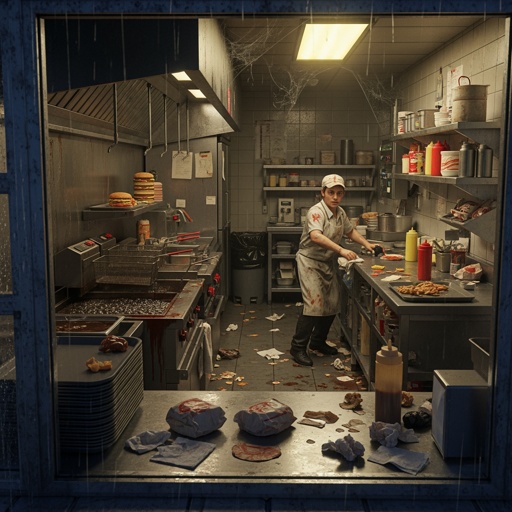
Police uncovered roadkill stored in a Chinese restaurant’s commercial freezer, exposing shocking food safety failures that endanger American families and demand stricter enforcement under President Trump’s food protection priorities.
Shocking Discovery During Police Investigation
Police found roadkill—deceased wild animals—inside the commercial freezer of a Chinese restaurant. The discovery occurred during a routine investigation or inspection, triggering immediate health code violations. This breach involves storing non-commercial wildlife intended for food service, which remains illegal in most U.S. jurisdictions. Health officials now assess risks to patrons who may have consumed related dishes. Such practices undermine basic food safety standards that protect American consumers from fraud and contamination. Local authorities prioritize public notification to prevent further exposure.
Roadkill found inside Chinese restaurant’s freezer, police sayhttps://t.co/5nnOMUUud0
— WSAZ NewsChannel 3 (@WSAZnews) April 23, 2026
Health Code Breaches and Public Health Risks
Health departments classify this as a serious violation, involving improper storage and sourcing of ingredients unfit for human consumption. Roadkill carries unknown pathogens, posing direct threats to customer health through foodborne illnesses. Past incidents, like the 2013 European horsemeat scandal, demonstrate how fraudulent sourcing erodes trust in the food supply. Chinese restaurants have faced prior scrutiny for similar issues, including unlicensed meat and expired products. Under Trump’s administration, renewed focus on regulatory enforcement aims to safeguard families from these dangers without excessive government overreach.
Stakeholders Respond to the Outrage
The police department leads the probe into intent, duration, and potential fraud charges. Health officials enforce closures and corrective actions to identify affected customers. Restaurant management defends operations while facing license revocation risks. Patrons demand compensation for health concerns, and the local community questions trust in nearby eateries. Media amplifies the story, urging vigilance. Legal counsel prepares defenses or prosecutions based on evidence.
Impacts on Business and Community Trust
Short-term effects include restaurant shutdowns, reputational damage, and economic losses from lost business. Long-term scrutiny increases inspections for similar venues, potentially strengthening protocols. Consumer confidence in food sourcing declines, prompting civil lawsuits. Affected communities—direct patrons and the broader public—face eroded faith in safety systems. Trump’s policies emphasize individual responsibility and limited government, yet demand accountability for violations endangering public health. This case underscores the need for transparent, effective oversight without bureaucratic excess.
Expert Views on Severity
Food safety experts deem this a major health code breach with criminal implications and significant public risks. Law enforcement examines knowledge of violations and endangerment charges. Public health teams trace exposures and implement preventions. While specifics remain unverified due to limited national coverage, the framework reveals patterns in restaurant violations. Conservatives value self-reliance but insist on punishing fraud that harms families. Verification requires local police statements and health records.
Sources:
Roadkill found inside Chinese restaurant’s freezer, police say