
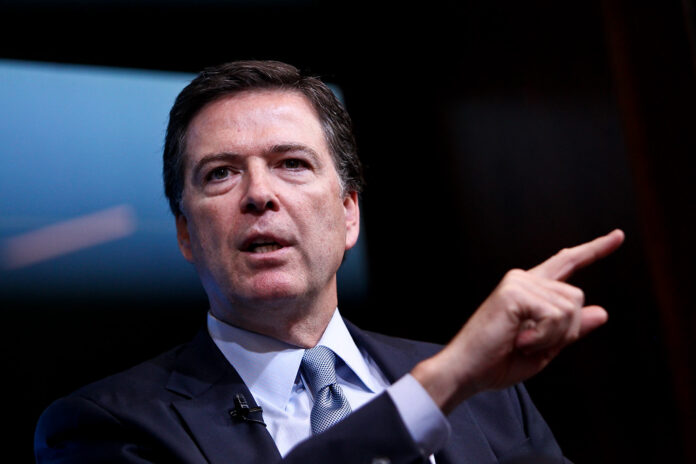
Former FBI Director James Comey has turned himself in to federal authorities following a grand jury indictment in North Carolina alleging he made threatening statements toward President Donald Trump through social media. The indictment marks a dramatic escalation in ongoing tensions between the former bureau chief and the Trump administration, bringing potential criminal consequences for actions Attorney General Todd Blanche characterized as crossing legal boundaries.
Details of the Federal Indictment
A federal grand jury in North Carolina returned the indictment after investigating a social media post Comey allegedly made containing what prosecutors describe as threatening language directed at President Trump. The specific content of the post identified as “8647” has not been fully disclosed publicly, but federal authorities determined it warranted criminal prosecution under statutes prohibiting threats against the president. The Department of Justice moved swiftly after the grand jury handed down its decision, with Comey’s legal team coordinating his voluntary surrender to federal custody.
This represents the second DOJ indictment Comey has faced, though details of the first remain limited in available reporting. Attorney General Blanche emphasized the administration’s commitment to prosecuting any threats against the president regardless of the accused individual’s former position. Legal analysts note the rarity of criminal charges against a former FBI director, highlighting the significance of the Justice Department’s decision to pursue prosecution in this case.
Comey’s History With Trump Administration
The relationship between Comey and President Trump has been contentious since Trump fired him from the FBI directorship years ago. Comey subsequently became a vocal critic of Trump, publishing books and making media appearances challenging the president’s conduct and character. The former director maintained his criticisms constituted protected speech under the First Amendment, but prosecutors evidently concluded certain statements crossed into criminal territory. Constitutional law experts anticipate vigorous legal battles over where legitimate political criticism ends and unlawful threats begin.
Legal and Political Implications
The indictment raises profound questions about the boundaries of political speech and the potential for weaponization of federal prosecutorial power. Civil liberties organizations expressed concern about chilling effects on criticism of political leaders, while administration supporters argued no one stands above laws protecting the president from threats. Comey’s legal team has not yet issued detailed public statements about their defense strategy, but observers expect them to challenge both the factual basis of threat allegations and constitutional questions about prosecuting political speech. The case could set precedents affecting how former government officials engage in public discourse about sitting presidents moving forward.