
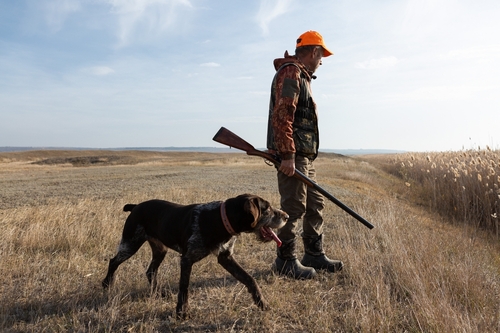
Oregon’s Initiative Petition 28 turns a routine animal-cruelty update into a referendum on whether hunting and fishing are crimes.
Story Snapshot
- The petition removes longstanding legal exemptions for hunting, fishing, pest control, and many farming practices [1].
- The measure criminalizes intentionally or knowingly injuring or killing animals, with narrow exceptions like immediate self-defense [1][2].
- Opponents argue this functions as a de facto statewide ban on hunting, fishing, and traditional husbandry [3][4][5].
- Voters must decide where animal welfare ends and criminalization of regulated use begins [1][3][5].
What the Petition Actually Says and Why It Matters
Oregon’s Initiative Petition 28 seeks to broaden animal-cruelty law by removing exemptions that protect hunting, fishing, trapping, wildlife management, pest control, and certain farming and breeding activities from prosecution [1]. The proposal would make it a crime to intentionally, knowingly, or recklessly injure or kill an animal, carving out only narrow exceptions such as immediate self-defense and limited veterinary contexts [1][2]. That drafting choice shifts routine outdoor and agricultural conduct into potential criminal exposure, not through new bans, but by erasing shields that long separated regulated use from abuse.
Backers frame the change as closing loopholes that allow pain, fear, and suffering to persist under the banner of tradition [2]. Opponents counter that the text maps onto daily realities: a hook through a salmon’s mouth, a finishing shot on an elk, or a farmer culling a predator—all acts that intentionally injure or kill animals—become chargeable offenses under the proposed standard [1][3][5]. The absence of a broad “lawful harvest” or “wildlife management” carveout is why critics call it a practical ban despite supporters’ welfare branding [3][5].
Attention EVERYONE
Oregon just cleared signatures for Initiative Petition 28 — the insane “PEACE Act” that would ban hunting, fishing, trapping, livestock farming, breeding animals, and most pest control.
This isn’t “protecting animals from cruelty.”
It reclassifies normal…
— Won't Stop 🇺🇸 Can't Stop 🇺🇸 (@No_Apologee) May 26, 2026
How Opponents Build the Case for a Functional Ban
Sportsmen’s groups, farm advocates, and gun-rights organizations read the measure as outlawing hunting, fishing, and much of animal husbandry because it collapses the legal distinction between managed take and cruelty [3][4][5]. They point to the petition’s limited exceptions and the plain meaning of “intentionally injure or kill” to argue that everyday practices would invite prosecution [1][3]. Local reporting amplifies the same conclusion, warning that hunting, fishing, and breeding could be swept into illegality if voters accept the new definitions [4][5]. The argument’s strength rests on the text’s breadth.
That breadth also raises enforcement concerns. Prosecutors would hold discretion over whether to treat a deer harvest or a hatchery cull as criminal conduct. Without explicit statutory safe harbors, enforcement would vary by county, turning lawful traditions into legal gambles. From a conservative, common-sense lens, law should set bright lines, not roulette wheels. If the state intends to end hunting and fishing, it should say so plainly. If not, it should codify clear exemptions instead of inviting backdoor criminalization.
The Bigger Battle Line: Welfare vs. Use, Not Cruelty vs. Kindness
This fight mirrors a national pattern in which animal-welfare campaigns target exemptions rather than write explicit bans, while affected communities see an existential threat to food, conservation funding, and rural culture [1][3][5]. The conflict is not over whether cruelty is bad; it is over where government draws the line between regulated animal use and punishable abuse. Oregon’s fish and wildlife conservation model relies on license fees and excise taxes paid by hunters and anglers; dismantling those activities would shift costs to general taxpayers or shrink habitat work, with predictable results for game and non-game species alike.
Initiative Petition 28 (IP28), proposed for the November 2026 Oregon ballot, aims to ban hunting, fishing, and trapping by reclassifying these activities as animal cruelty.
The measure, supported by the People for the Elimination of Animal Cruelty Exemptions (PEACE), removes…
— Portland Moderate. (@pdxmoderate) May 27, 2026
Supporters will argue that moral progress demands discomfort and that alternatives to animal use exist [2]. Voters should weigh that claim against statutory clarity, public safety, and stewardship. Effective reform targets genuine abuse and tightens standards without criminalizing the core mechanics of harvesting wildlife or managing predators. Policy that depends on selective, urban-centered mercy while outsourcing the messy realities of ecosystem management rarely ends well. Laws that endure pair compassion with candor about how food, wildlife, and working lands actually function.
Sources:
[1] Web – Oregon moves a step closer to banning hunting and fishing as part of …
[2] Web – Oregon ballot measure could reshape fishing, farming
[3] YouTube – Controversial petition aims to ban hunting, fishing and pest control …
[4] Web – Oregon Ballot Initiative Would Outlaw Hunting and Traditional Farming
[5] Web – Oregon petition to criminalize hunting, fishing reaches signature …