
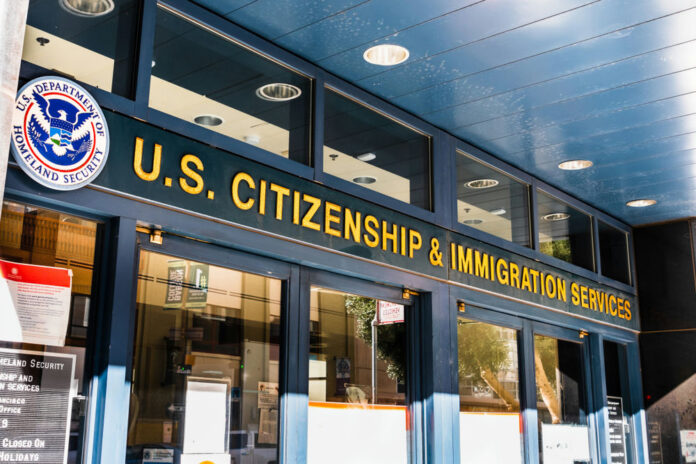
The Supreme Court’s 6-3 ruling handed the Department of Homeland Security final say to end Temporary Protected Status, confirming that “temporary” really does mean temporary for Haiti and Syria.
Story Highlights
- The Court said judges cannot review a Homeland Security decision to terminate TPS.
- Border czar Tom Homan praised the ruling and said TPS had been stretched beyond its intent.
- Congress gave the Homeland Security Secretary wide power over TPS in the 1990 law.
- Homan cited data that most recent ICE arrests involve criminals or criminal charges.
What The Supreme Court Decided And Why It Matters
On June 25, 2026, the Supreme Court ruled 6-3 that federal courts cannot review a decision by the Department of Homeland Security to end Temporary Protected Status for any country. The Court also rejected a claim that the Haiti termination was driven by racial bias. The bottom line is clear: when the department ends TPS, courts will not step in to stop it. This puts final authority with the executive branch, as the statute’s text already suggested.
The decision affects Haitians and Syrians first, with work permits set to expire on schedule absent new action. Employers and local governments now face certain deadlines. Supporters say this restores the rule of law and ends years of litigation games. Critics warn that thousands will lose legal status and jobs. The ruling did not set new policy. It confirmed who has the power to make these calls, which is the Secretary of Homeland Security under federal law.
The Law: Congress Made TPS Discretionary And Temporary
Congress created Temporary Protected Status in 1990. Lawmakers gave the Secretary of Homeland Security authority to designate countries for protection, extend those protections, and also to end them when conditions no longer justify the shield. That is the structure by design. It is not a path to permanent residence. It is a time-limited safety valve to handle wars, disasters, and crises abroad, with the executive branch driving the call.
Because Congress vested that judgment in the department, courts have often been asked to second-guess how secretaries used it. Thursday’s decision shuts that door. The Court said judges cannot police the department’s internal process for TPS endings. That makes the policy debate return to elected branches, where it belongs. If Congress wants a different system or longer protections, Congress can pass a bill and put it on the President’s desk.
Homan’s Case: Temporary Means Temporary, And Enforcement Must Be Credible
Border czar Tom Homan welcomed the ruling and said the Trump administration is enforcing the law as written. He argued that TPS “has never been temporary” in practice, due to repeated renewals long after original crises passed. He said the decision brings accountability back to immigration law and stops mission creep. Homan credited the administration for having the courage to end programs that drift from their temporary purpose.
Homan also pointed to enforcement data. He cited the White House release noting that about 70 percent of immigration arrests involve people with criminal convictions or pending charges. He argues that tough, steady enforcement protects communities, deters fraud, and keeps scarce resources focused on true asylum and legal migration. That claim supports his stance that the system has been abused and must be reset toward law and order.
Pushback And Limits: Safety Concerns And Hill Maneuvers
Advocates argue Haiti remains dangerous and say the end of TPS harms workers and families. Some groups highlight travel warnings and instability. Others press Congress to extend protection by statute. A House coalition even advanced a measure to add years to Haiti’s status, showing that some Republicans want flexibility for local economies and constituents. These moves show the debate has not ended; it has shifted from courts to the Capitol.
Homan to Newsmax: Temporary Protected Status Must End
Border czar Tom Homan applauded the Supreme Court for ruling that federal courts cannot review the government's decisions to end temporary protected status for Syrian and Haitian nationals in an appearance Monday on Newsmax.…— Elena (@helen44767171) June 30, 2026
There are gaps in the public record. Homan’s broader “abuse” critique cites criminal arrest shares across illegal immigration, not TPS-specific audits. No published federal inspector general report has been provided that quantifies TPS fraud rates by country in recent years. Those limits do not change the Court’s ruling, but they frame the next step. If Congress demands data, it can order audits, hold hearings, and legislate tighter guardrails while keeping the tool for true emergencies.
Sources:
youtube.com, cbn.com, facebook.com, forumtogether.org, aclunorcal.org