
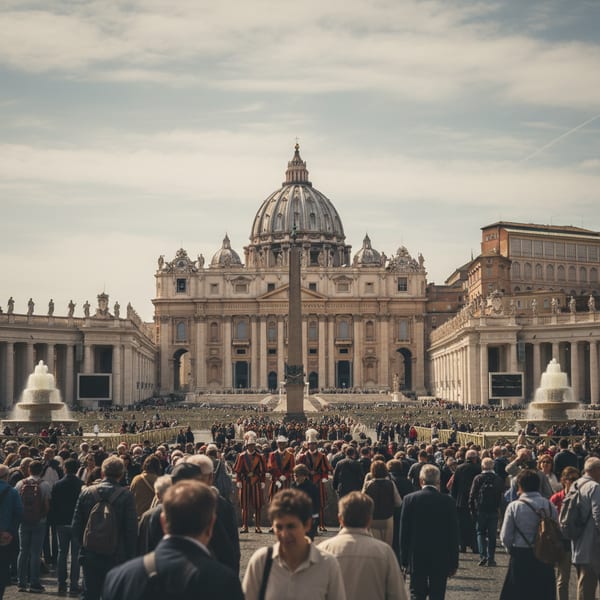
Pope Francis’s Synod of Bishops released its final report including testimonies from two homosexual men who claim to be Catholic, marking a dramatic shift in how the Catholic Church addresses homosexuality. The move has sparked debate within the 1.4 billion-member church about whether Vatican officials are abandoning traditional doctrine to appear more relevant in modern culture.
Inside the Synod Process
The synod convened in 2021 to explore ways the church could respond to cultural changes without compromising core doctrines. Millions of Catholics participated in local parish listening sessions, with feedback moving from parishes to dioceses, then to bishops, and finally to the Vatican. Study Group 9 produced a Working Document that became the basis for the final report released this week.
The report labels the two homosexual men’s testimony as part of its cases for listening. The men, who describe themselves as married, criticized the church for creating an atmosphere of solitude, anguish, and stigma for homosexual individuals. The bishops also examined women’s ordination, internet outreach, ecumenism, polygamy, and liturgical practices during the synodal process.

It doesn’t merely call for “dialogue”—it elevates homosexual testimony, redefines sin, and demands a total “paradigm shift” away from Catholic teaching.
This isn’t ambiguity. It’s a blueprint.
Most won’t read it carefully.

Traditional Catholics Push Back
Many Catholics argue the synodal approach assigns too much weight to cultural relevance at the expense of unchanging religious principles. Critics note that Catholic doctrine holds the church exists to serve God, not to adjust teachings based on membership trends or popular opinion. The Pope cannot unilaterally change doctrine despite his authority, making this synod’s approach particularly controversial among traditionalists.
What This Means
The inclusion of homosexual testimony in an official Vatican document represents a significant departure from standard church practice, even as official Catholic teaching on marriage and sexuality remains unchanged. Insiders expect the report to generate headlines focused primarily on homosexual issues rather than the other topics examined. The development highlights the ongoing tension between maintaining 2,000 years of church tradition and addressing contemporary cultural pressures in an increasingly secular Western society.