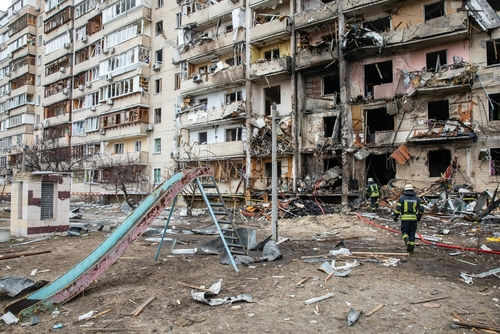
Back-to-back 7.2 and 7.5 earthquakes shattered Caracas and nearby cities, with thousands hurt and tens of thousands still unaccounted for.
Story Highlights
- Officials confirmed twin quakes near Caracas and warned of strong aftershocks.
- Reported deaths rose from 164 to at least 1,430 by Day 3, with injuries topping 4,300.
- About 68,900 people were listed as unaccounted for amid major telecom outages.
- Multiple high-rise collapses were reported in Caracas neighborhoods, worsening the toll.
Twin Quakes Hit Near Capital And Trigger Chaos
Officials in Venezuela confirmed two powerful earthquakes, magnitude 7.2 and 7.5, struck near Caracas on Wednesday evening. Acting President Delcy Rodríguez and the Interior Ministry addressed the nation with early updates and urged people to stay outside. Reporters on scene described widespread alarm as buildings swayed and lights failed. The government warned residents to prepare for strong aftershocks as rescue teams moved into damaged zones around the capital and coastal areas.
Emergency crews faced damaged roads and debris as they searched for survivors and cleared hazards. Initial counts came in low and then rose fast as more areas reported in. Authorities asked families to check on neighbors and avoid reentering cracked buildings. International monitors tracked the seismic activity and shared early shake maps. Local radio carried instructions for first aid, water safety, and shelter points. Volunteer groups formed supply lines and escorted elderly residents to clinics.
Rising Death Toll And Overwhelmed Hospitals
Government figures on the death toll climbed from at least 164 to at least 235 within a day, and then to at least 1,430 by Day 3 as rescue teams reached more sites. Reporters also cited more than 4,300 injured, with over 7,500 hospitalized as facilities ran out of beds and critical supplies. The number of people listed as unaccounted for reached about 68,900, reflecting collapsed buildings, blocked roads, and stalled communications across several states.
Doctors treated crush injuries and trauma while staff worked without steady power. Crews moved patients between clinics to free operating rooms. Families lined hallways seeking news, while nurses posted handwritten lists. Aid groups pushed stretchers through narrow stairwells where elevators failed. Pharmacists rationed antibiotics and pain medicine. Local leaders called for mobile field units and blood drives. Officials said rescue windows were closing as hours passed and aftershocks shook unstable walls.
Building Failures, Blackouts, And Information Gaps
Journalists and local outlets reported major collapses in Caracas, including a 12 to 15 story residential tower in Los Palos Grandes and the Patunia building in Altamira. Video and photos showed pancaked floors and dust clouds as residents fled to open spaces. Communications faltered, with reports of no cell signal from major provider Movilnet in several areas, which slowed rescue calls and family checks. Limited heavy equipment at some sites complicated search efforts.
Between the tsunami and mass graves: Disinformation also shook Venezuela after the earthquakes.
A flood of fake news and conspiracy theories served to generate unnecessary panic and was even instrumentalized for politically tinged narratives.https://t.co/b8v80TVADi
— Guacamaya (@theguacamayave) July 10, 2026
Officials urged residents to remain outdoors and brace for aftershocks as engineers assessed cracked facades and leaning towers. Early reports from epicenter cities such as San Felipe and Valencia were scarce, which suggested outages or blocked access. The lack of fast, verified data fed confusion and fear across the region. International media highlighted shifting casualty numbers. That swing reflected the grim pattern seen after large quakes when counts rise as crews reach trapped communities.
Why The Numbers Moved And What Comes Next
Early tallies often miss trapped victims and remote districts. In Venezuela, blackouts and damaged networks delayed reports, so numbers lagged reality. As teams opened new corridors and dug through collapsed buildings, the toll rose. International desks tracked the increases and compared them to prior disasters. That pace does not prove bad faith. It reflects broken lines, overwhelmed hospitals, and the time it takes to reach hard-hit blocks and verify losses on the ground.
The next steps focus on search, treatment, and shelter. Crews need fuel, generators, and lifting gear to remove slabs safely. Hospitals need trauma supplies and power backups to keep operating rooms online. Clear public messages can save lives by steering people away from unsafe buildings and downed lines. Accurate lists of the missing will help families and cut panic. Strong coordination between local teams and international partners will speed relief and reduce preventable deaths.
What This Means For Americans Watching The Region
Americans care about stability close to our shores. Major quakes near key shipping lanes and the Caribbean can ripple into supply chains and migration pressure. U.S. rescue expertise, logistics, and private charity can make a real difference fast. Clear, verified information helps target aid, block scams, and beat rumor. As the facts harden, the picture will sharpen. For now, the scale is serious, the need is urgent, and safe, effective help depends on measured, factual updates.