
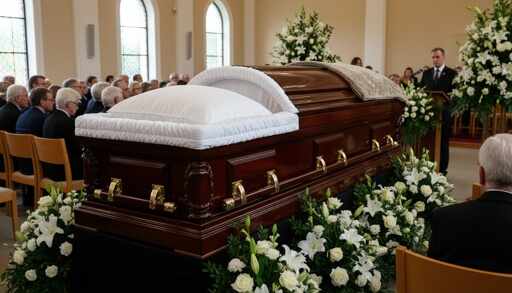
A sudden tear in Senator Lindsey Graham’s aorta claimed his life in hours, shocking a nation already on edge about health, leadership, and trust in our institutions.
Story Snapshot
- Senator Lindsey Graham, 71, died Saturday evening from an aortic dissection linked to cardiovascular disease, according to preliminary medical examiner findings.
- Graham’s office and the District of Columbia medical examiner describe his passing as a brief and sudden illness, showing how quickly this hidden condition can strike.
- The longtime South Carolina conservative returned from a trip to Ukraine shortly before his death, leaving open questions about stress, travel, and the demands placed on senior leaders.
- The media now fights to frame his final hours, mixing clinical facts about aortic dissection with dramatic anecdotes, raising fresh concerns about partisan coverage.
A Sudden Tear That Ended a Long Conservative Career
On Saturday evening, long-serving South Carolina Senator Lindsey Graham died after what his office called a “brief and sudden illness.” Soon after, the District of Columbia medical examiner issued preliminary findings. Those findings say Graham suffered an aortic dissection caused by arteriosclerotic cardiovascular disease, a hardening of the arteries that weakens blood vessels over time. This tear in his main artery was fast, deadly, and beyond the reach of last-minute medical care once it fully ruptured.
Reports show Graham had just returned from Ukraine, where he was meeting officials and reviewing the war situation. The heavy travel schedule, time zone changes, and stress of foreign conflict briefings all added strain to a 71‑year‑old body already facing underlying heart and vessel disease. His staff said he came home to South Carolina and then Washington still working, still focused on global threats and American security, even as unseen danger was building inside his chest.
What An Aortic Dissection Is — And Why It Kills So Quickly
An aortic dissection happens when the inner layer of the aorta, the body’s main artery, suddenly tears. Blood then rushes into the wall of the vessel, splitting its layers apart. Doctors explain that symptoms often start without warning and can look like a heart attack, with chest pain, back pain, or sudden collapse. An emergency physician writing on Graham’s case noted that once a major dissection fully ruptures, it can cause massive internal bleeding and death within minutes.
Medical experts say this condition is not the same as a typical heart attack, even though many people and some headlines blur the two. A heart attack involves blocked blood flow to heart muscle. Aortic dissection involves the vessel wall itself tearing open. The distinction matters because catching a dissection early, before rupture, requires fast imaging and surgery. Once the tear fully opens, even the best doctors in the world often cannot reverse the damage in time.
Media Narratives, Final Hours, and the Battle Over The Story
Official records so far stay focused on the medical facts: arteriosclerotic cardiovascular disease and aortic dissection, sudden onset, and rapid decline. Graham’s office and major outlets all agree on these basic points. At the same time, some secondary political media have rushed in with vivid stories about his last conversations and jokes, trying to paint a dramatic picture of a man shrugging off medical warnings. Those stories rest on single-sourced anecdotes, not yet backed by medical documents or sworn testimony.
Studies of political coverage show this pattern happens often after high-profile deaths. First, there is a simple official statement from doctors or staff. Next, partisan or click‑driven outlets add color, using social media posts and unnamed aides to build a more emotional tale. This mix of medicine and drama can shape how citizens remember a leader. It can also deepen mistrust when people sense that some outlets care more about narrative than truth. For conservatives already wary of biased media, Graham’s passing fits this troubling pattern.
What This Means For Voters, Families, and A Country On Edge
Graham’s sudden death is a harsh reminder that serious heart and vessel disease can be hidden until it is too late. Many Americans in their 60s and 70s live under heavy stress, carry high blood pressure, or have long-standing artery disease. Some social media commentators have linked his case to a wider need for regular checkups, simple blood pressure control, and better awareness of chest pain warning signs. For families who value personal responsibility and self‑care, this is a wake‑up call that cannot be ignored.
https://twitter.com/DrHMelamed/status/2076632134593257809
For the Trump administration and conservative voters, Graham’s passing also leaves a political gap. He was a familiar voice on foreign policy, defense, and judicial fights, even when many grassroots conservatives strongly disagreed with his views on war and spending. His seat will now be filled through constitutional processes in South Carolina, and voters will again decide who best defends their values, their wallets, and their safety. As that debate begins, one fact remains clear: life is fragile, and the health of our leaders matters as much as the laws they pass.
Sources:
mediaite.com, facebook.com, washingtonpost.com, abcnews.com, youtube.com, usatoday.com, timesofisrael.com, pmc.ncbi.nlm.nih.gov, demos-h2020.eu